Our powder-coat quality is inconsistent — same line, same recipe, and parts still come out different. Some pieces show gloss variation, some don’t fully cure, some have adhesion problems. We don’t know if it’s the oven, the pretreatment, or the coating itself.
Cure problems usually start in the oven — but not always. Here’s where inconsistent quality actually comes from, in order of how often GAT sees it, and the real specs behind fixing each one.
The Oven Is the Usual Suspect
If the temperature inside a cure oven isn’t the same everywhere, some parts get too much heat and some get too little — and that shows up as real, visible defects: gloss variation, incomplete cure, adhesion problems, or a coating that looks fine until it’s stress-tested. This is true whether you’re curing powder coat, e-coat, or wet paint.
GAT’s own ovens are built to a specific, verifiable standard: ±5°F temperature uniformity, verified on 9-point SAT (Satisfactory Acceptance Test) testing — not a marketing claim, a number checked at nine points across the belt before the oven ships. That standard holds on both Batch Ovens and Process Ovens, the latter running conveyor speeds up to 90 fpm with a powder cure of 12 minutes or less at 400°F.
Read the full breakdown of why oven temperature uniformity drives finish quality →
Cure Technology: the Wrong Choice Is a Quality Problem, Not Just a Speed One
Picking convection when a part needs infrared — or the reverse — doesn’t just cost you cycle time. Heavy parts that need a gentle, gradual heating gradient can come out uneven in a system tuned for fast ramp rates; parts that need rapid, even heating to avoid color shift can suffer in a slow convection profile. The right choice depends on part mass, the coating chemistry, and line speed — not just which oven is already on the floor.
Read the full convection-vs-infrared comparison →
Pretreatment: Where Inconsistent Quality Often Actually Starts
Before a part ever reaches the oven, pretreatment chemistry determines whether the coating has a consistent surface to bond to. GAT’s Polypropylene Washers support iron phosphate, zinc phosphate, nano-ceramic, alkaline degreasers, and mild acid etches — real compatibility, not a generic “we clean parts” claim — with standard tanks operating to 150°F and high-temp options available for tougher soils.
A washer that can’t hold consistent chemistry concentration or temperature produces inconsistent surface prep, which shows up downstream as inconsistent coating adhesion — even if the oven itself is perfect.
Multi-Coating Lines: Keeping Quality Consistent Across Recipes
If your line runs more than one coating — polyester one shift, epoxy the next, a liquid paint job mixed in — quality consistency depends on the oven holding a separate, correct time/temperature recipe for each one, not a single generic setting. GAT ovens store separate recipes per coating chemistry specifically so switching jobs doesn’t mean re-tuning the whole process by hand each time.
Get Started
Inconsistent quality has a real, findable cause — oven, pretreatment, or cure-technology mismatch. GAT’s consultation is free, with no obligation.
What pretreatment chemistries are compatible with GAT washers?
Can one oven handle multiple coating chemistries without quality drift between them?
How hot can a GAT PolyPro washer run for pretreatment?
Can GAT advise on powder vs. liquid paint for finish quality and cost?
Related Reading

Why Is Your Powder-Coat Quality Inconsistent? How Oven Temperature Uniformity Fixes It
The full breakdown of why temperature uniformity is the root cause behind gloss issues, adhesion problems, and rejected parts.
READ MORE »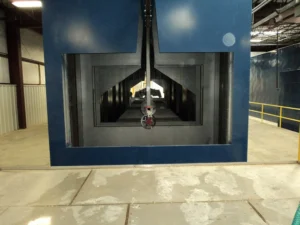
Convection Ovens vs. Infrared Ovens: Which Cure Technology Fits Your Parts
Choosing the wrong cure technology for your parts and coating is itself a quality-consistency problem, not just a speed one.
READ MORE »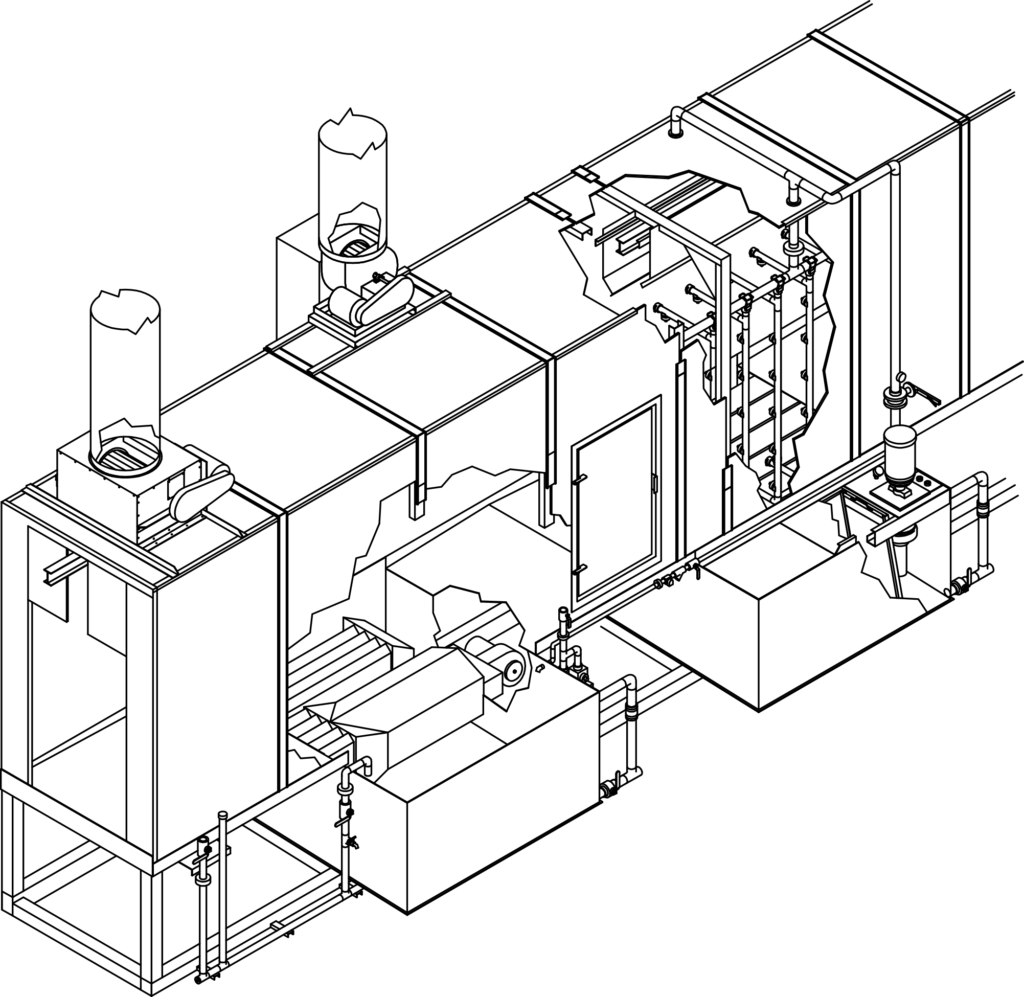
Polypropylene Washers
Real pretreatment chemistry compatibility and specs — the stage where inconsistent quality often actually starts, before the part ever reaches the oven.
READ MORE »