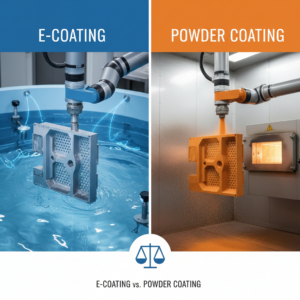
The Differences Between e-Coating vs. Powder Coating
The Differences Between E-Coating vs. Powder Coating: A Manufacturing Decision-Maker’s Guide E-coating (electrocoating) uses electrical current to deposit liquid paint onto metal parts, while powder
LEER MÁS »
Hornos de curado y secado Cómo la uniformidad de la temperatura afecta al rendimiento de la película
Cuando se hacen películas, los hornos que se utilizan para el curado y el secado son muy importantes. No se trata solo de secar las cosas, sino de cómo se secan.
LEER MÁS »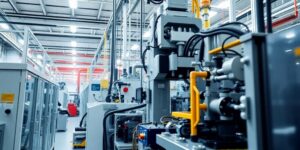
Fabricado en Misuri Cómo nuestra planta de Fenton controla la calidad, desde el acero hasta la puesta en marcha
Sabes, es muy interesante pensar en cómo se fabrican las cosas, especialmente cuando es aquí mismo, en nuestro propio patio trasero. Nuestras instalaciones en Fenton,
LEER MÁS »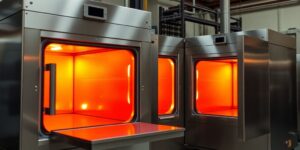
Can't Hit Your Line's Takt Time? A 40% Cycle-Time Gain with Direct-Impingement Ovens
So, we’re talking about manufacturing efficiency, specifically how to speed things up. A big part of that is the equipment you use, and ovens are
LEER MÁS »
Retrofit or Replace? Paint Finishing Equipment Upgrades That Cut Downtime in Busy Job Shops
Running a busy job shop means every minute counts. When your paint finishing equipment goes down, so does your productivity and your bottom line. Upgrading
LEER MÁS »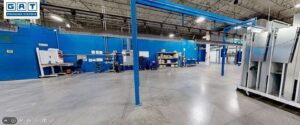
Adéntrese en el futuro: explore los sistemas GAT con nuestro recorrido de realidad virtual en 360°.
At GAT Finishing Systems, innovation isn’t just a buzzword – it’s the foundation of everything we do. We’re thrilled to announce a groundbreaking leap in
LEER MÁS »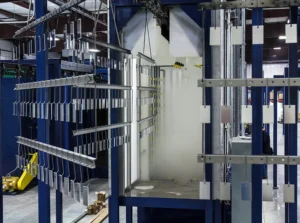
Choosing Between 3-Stage and 5-Stage Pretreatment Washers Cost vs. Performance
So, you’re looking into powder coating and trying to figure out the whole pretreatment washer thing. It can get a little confusing with all the
LEER MÁS »
Convection Ovens vs. Infrared Ovens: Which Cure Technology Fits Your Parts
Deciding between a convection oven and an infrared oven for your parts can feel like a big choice. Both technologies get the job done, but
LEER MÁS »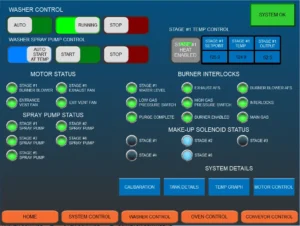
PLC Controls & Automation: Building an IIoT-Ready Finishing Line from Day One
In today’s high-mix, just-in-time manufacturing environment, a finishing line can no longer operate in isolation. Engineers and plant managers are under increasing pressure to connect,
LEER MÁS »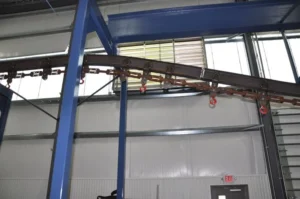
Overhead Conveyor Systems: 5 Layout Mistakes That Kill Line Speed (and How to Avoid Them)
When a powder-coat or paint line struggles to hit daily quota, most engineers look first at washers, booths or ovens. Yet the silent speed-killer is
LEER MÁS »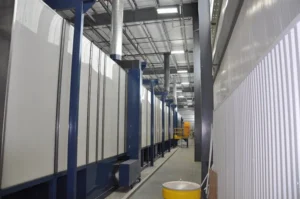
Inside the Polypropylene Washer: Why Plastic Housings Beat Stainless for Pretreatment
When you’re looking at equipment for industrial pretreatment, like parts washers, you might think stainless steel is the only way to go. It’s tough, right?
LEER MÁS »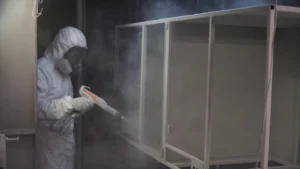
Powder Coating Equipment Checklist: 12 Must-Have Components for a Flawless Finish
Getting the Perfect Powder Coating Finish Starts with the Right System—And the Right Partner At GAT Systems, we do more than just supply equipment—we design
LEER MÁS »
Bringing Your Finishing Line In-House: The ROI Case for Custom vs. Off-the-Shelf Equipment
So, you’re a manufacturer, right? And you’re trying to figure out if you should stick with the usual, off-the-shelf equipment or go all-in on something
LEER MÁS »
Industrial Finishing Systems 101: How Each Module Works Together for Maximum Throughput
Industrial Finishing Systems are pretty important in manufacturing. They help make sure products look good and last a long time. It’s not just about painting;
LEER MÁS »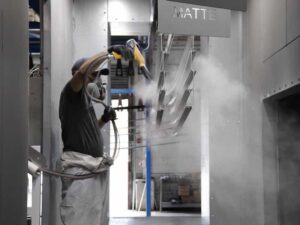
Testrite Visual toma el control: El recubrimiento en polvo en casa
A mediados de los noventa, Larry Rubin, nieto de Herman Neuwirth, fundador de Testrite, y Dan Guirl, nieto de Howard, fundador de GAT Systems, mantuvieron un encuentro crucial.
LEER MÁS »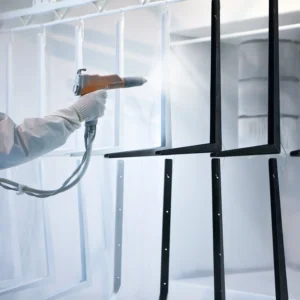
¿El recubrimiento en polvo es más duradero que la pintura líquida?
¿Es el recubrimiento en polvo más duradero que la pintura líquida? ¿De qué tipo de durabilidad estamos hablando? Responderemos a estas preguntas y más en esta entrada del blog.
LEER MÁS »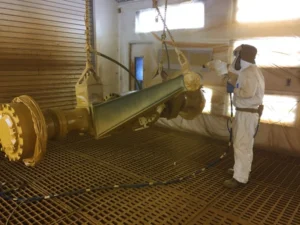
¿Cuáles son los beneficios de cambiar de pintura líquida a pintura en polvo?
Se considera que el recubrimiento en polvo es más duradero que la pintura húmeda, más seguro para el medio ambiente y los trabajadores y menos propenso a decolorarse.
LEER MÁS »¿Por qué el recubrimiento en polvo es mejor que la pintura líquida?
Existen dos métodos principales para el acabado del metal: pintura húmeda y recubrimiento en polvo. Ambos tienen sus ventajas y desventajas, pero la industria lleva tiempo inclinándose por el polvo.
LEER MÁS »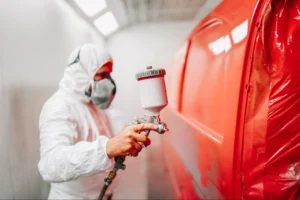
Guía para pasar de la pintura líquida al recubrimiento en polvo
El recubrimiento en polvo existe desde la década de 1950, pero sólo últimamente ha ganado reconocimiento como proceso de acabado que destaca por su durabilidad y facilidad de uso.
LEER MÁS »
La innovación de GAT se expone en Affordable Interior Systems
Colaborar con clientes y proveedores para encontrar soluciones innovadoras en las operaciones de recubrimiento en polvo es el motor del éxito de nuestra empresa.
LEER MÁS »